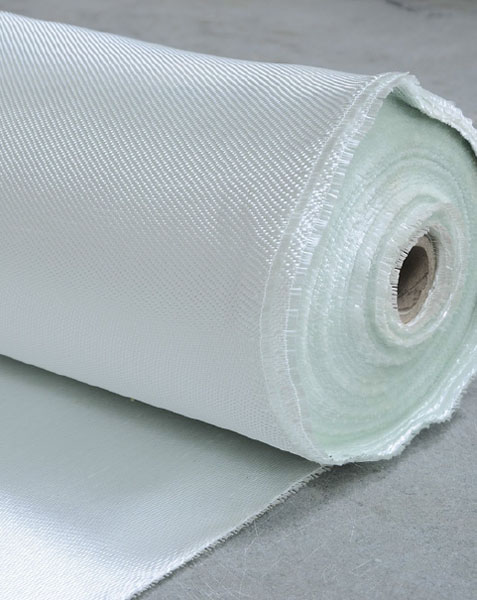
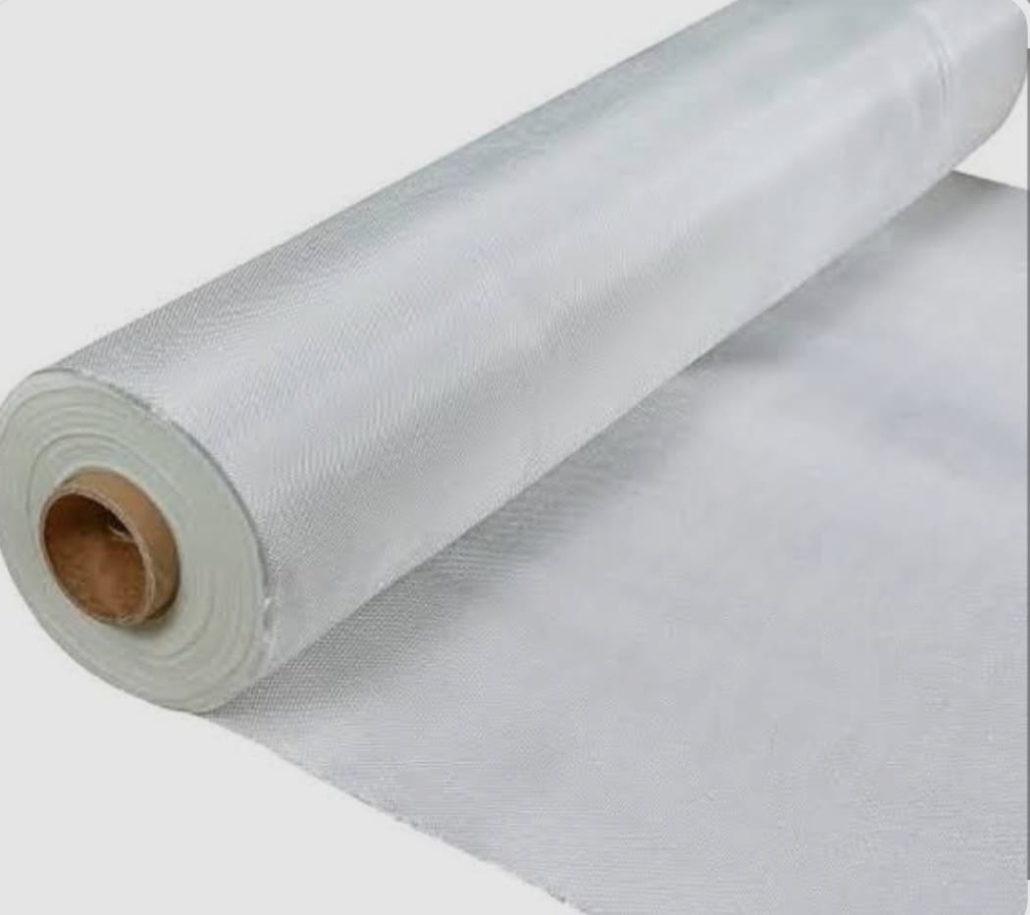
Fiber Glass Cloth

Fibre Glass Cloth are fabrics made from fibre glass yarn that come in a variety of structures, weights, and widths. Yarn used to make Glass Fabrics can be treated with specific sizing to increase its compatibility
with Epoxy, Polyester, and Phenolic resins and varnishes. They primarily give reinforcements to coatings such as insulating varnishes, Teflon, resins, and a variety of other mediums. Glass fibre cloth is classified as heat class ‘C.’
Features

Dimensional Stability: Changes in atmospheric conditions will not cause the Fibreglass Yarn used to make glass fabric to expand or shrink. At the break, the nominal elongation is 3.4%.

High Tensile Strength: The strength-to-weight ratio of fibreglass yarn is quite high. Fibreglass yarn is twice as strong as steel wire pound for pound. The ability to build unidirectional or bidirectional strength into a cloth increases enduse product flexibility significantly.

High Heat Resistance: Glass, Inorganic Fibers cannot burn and are unaffected by the high baking and curing temperatures that are frequently seen in industrial processes. At 700°F, fibreglass retains around 50% of its strength and up to 25% at 1000°F.

High Fire Resistance Excellent Thermal Conductivity: Fibreglass Fabric has a comparatively low coefficient of thermal expansion and a reasonably high thermal conductivity. Glass cloth dissipates heat faster than asbestos or biological fibres.

Excellent Chemical Resistance: Glass Fiber Inorganic Textile fibres do not rot, mildew, or degrade. With the exception of hydrofluoric acid and hot phosphoric acid, they are resistant to the majority of acid.

Outstanding Electrical Properties: Fibreglass Fabrics are excellent for electrical insulating because of their high dielectric strength and comparatively low dielectric constants, as well as their minimal water absorption and high temperature resistance.

Excellent Durability, Low Moisture Absorption.